
10 Things You Can Do Right Now: Inspect Today. Work Tomorrow. Profit Longer.
July 7, 2026Learn the 10 daily heavy equipment inspections every operator should perform to prevent costly repairs, improve safety, and reduce downtime.
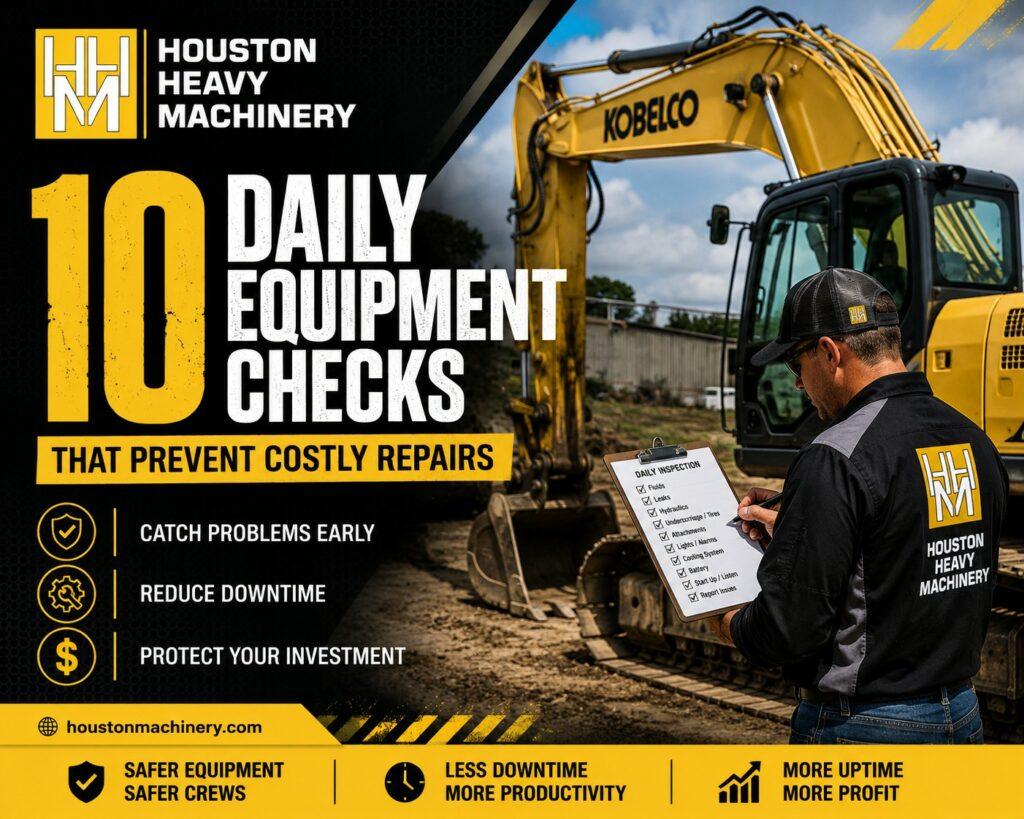
Every productive workday starts long before the engine turns over.
A thorough daily heavy equipment inspection takes just a few minutes, but it can prevent thousands of dollars in repairs, reduce downtime, and help keep your crew safe. Whether you’re operating an excavator, skid steer, compact track loader, wheel loader, or dozer, making inspections part of your routine protects your investment and helps you catch problems before they become expensive failures.
Here are the ten items every operator should inspect before getting to work.
1. Check for Fluid Leaks
Walk completely around the machine before starting it. Look underneath for signs of:
- Engine oil
- Hydraulic fluid
- Coolant
- Fuel
- Gear oil
Even a small leak can quickly become a major repair if left unattended.
2. Inspect Hydraulic Hoses and Cylinders
Hydraulic systems work under extremely high pressure.
Look for:
- Cracked hoses
- Loose fittings
- Wet spots
- Damaged protective sleeves
- Cylinder seal leaks
Replacing a worn hose is much less expensive than repairing damage caused by a hydraulic failure on the job site.
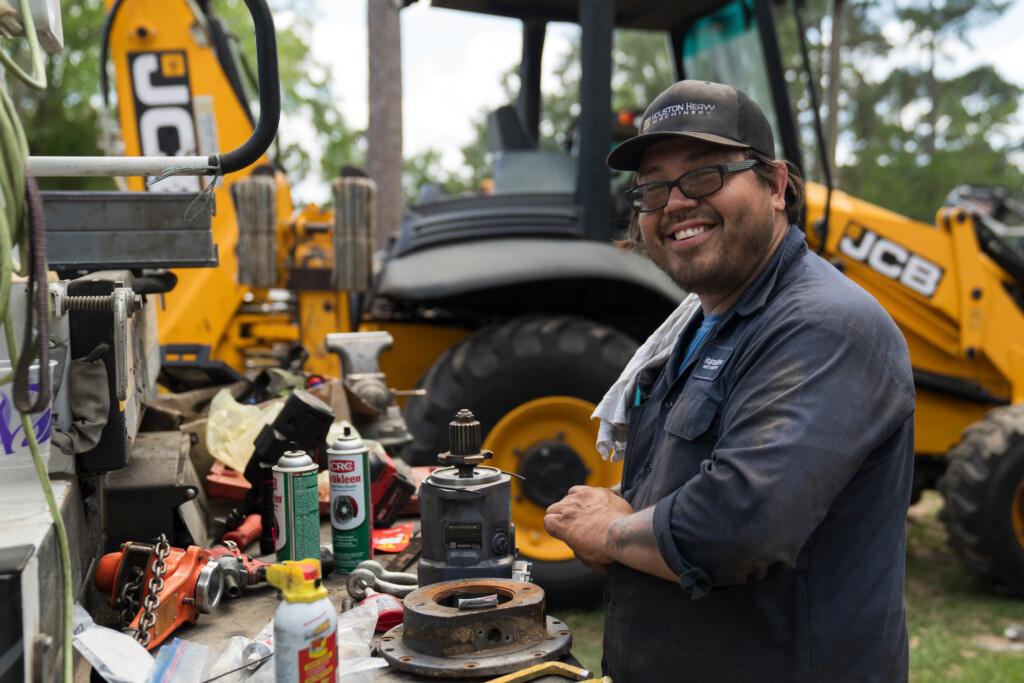
3. Examine Tracks or Tires
Your machine depends on good traction and proper support.
Inspect for:
- Cuts
- Excessive wear
- Missing track pads
- Low tire pressure
- Embedded debris
- Loose wheel hardware
Ignoring undercarriage or tire problems can significantly increase operating costs.
4. Inspect the Bucket or Attachment
Attachments do the hard work every day.
Check for:
- Cracked welds
- Loose pins
- Excessive wear
- Missing teeth
- Bent cutting edges
Worn attachments reduce efficiency and place additional stress on the machine.
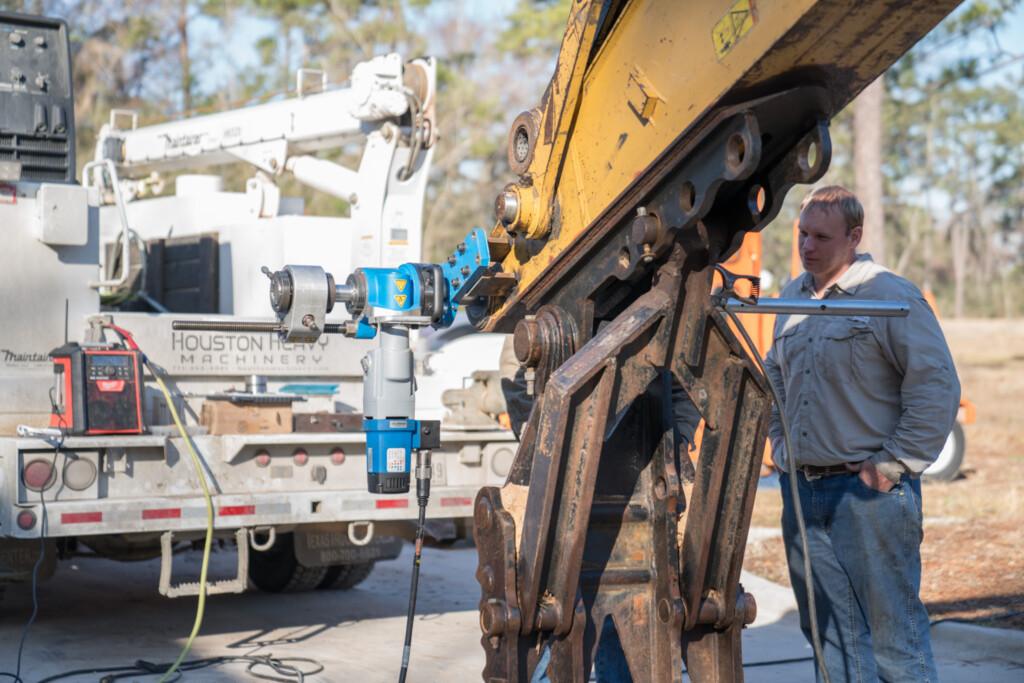
5. Verify All Fluid Levels
Before starting the engine, confirm proper levels for:
- Engine oil
- Hydraulic oil
- Coolant
- Fuel
- DEF (if equipped)
Running with low fluids can cause severe engine or hydraulic damage.
6. Test Lights, Alarms, and Safety Equipment
Safety systems should never be overlooked.
Verify that:
- Work lights operate properly
- Backup alarm functions correctly
- Horn works
- Seat belt latches securely
- Mirrors and cameras are clean
- Fire extinguisher is present if required
These simple checks protect both operators and nearby workers.
7. Clean the Radiator and Cooling System
Dust, mud, and debris restrict airflow.
Inspect and clean:
- Radiator
- Oil cooler
- Hydraulic cooler
- Air intake screens
Keeping the cooling system clean helps prevent overheating during demanding jobs.
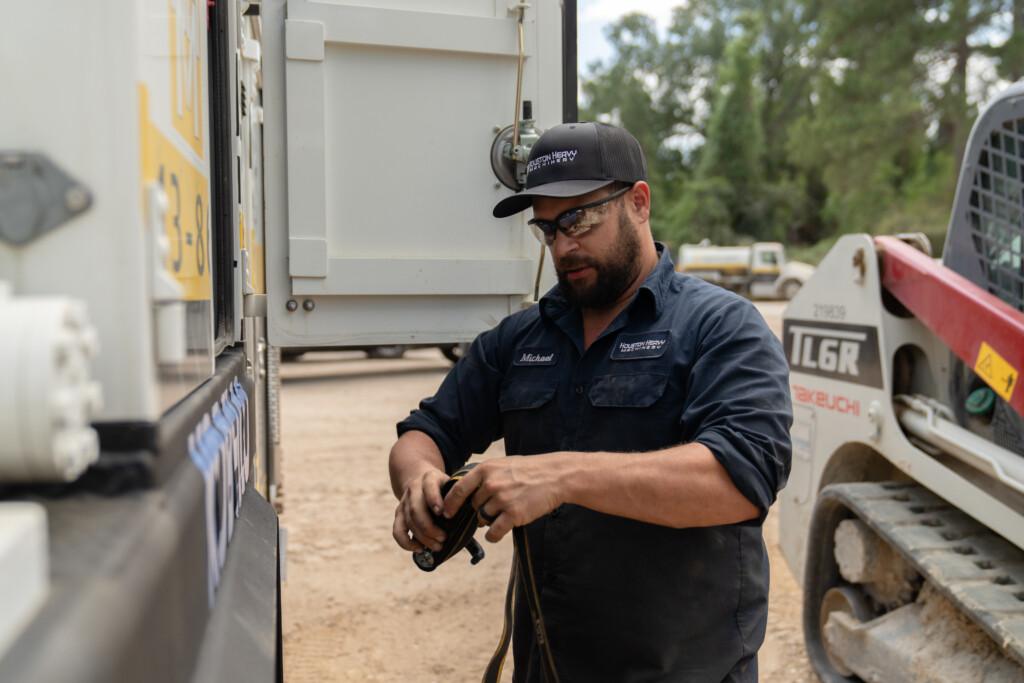
8. Inspect the Battery
A weak battery often provides warning signs.
Look for:
- Loose terminals
- Corrosion
- Damaged cables
- Secure battery hold-downs
A quick inspection can prevent unexpected downtime.
9. Start the Machine and Listen Carefully
After startup, allow the machine to idle briefly.
Pay attention to:
- Warning lights
- Unusual vibrations
- Hydraulic noises
- Engine knocking
- Excessive smoke
Machines often give early warning signs before a major component fails.
10. Record Any Issues Immediately
If something doesn’t look right, don’t ignore it.
Reporting problems early allows maintenance teams to schedule repairs before they become emergency breakdowns that delay projects and increase repair costs.
Small Inspections Prevent Big Repairs
Daily inspections aren’t just another item on a checklist, they’re one of the easiest ways to extend equipment life, improve reliability, and keep projects on schedule.
At Houston Heavy Machinery, we help contractors keep their equipment operating at peak performance with professional service, genuine replacement parts, and experienced technicians who understand the demands of construction equipment.
If your machine needs maintenance, repairs, or replacement parts, our team is ready to help you get back to work quickly.


Leave a Reply
You must be logged in to post a comment.